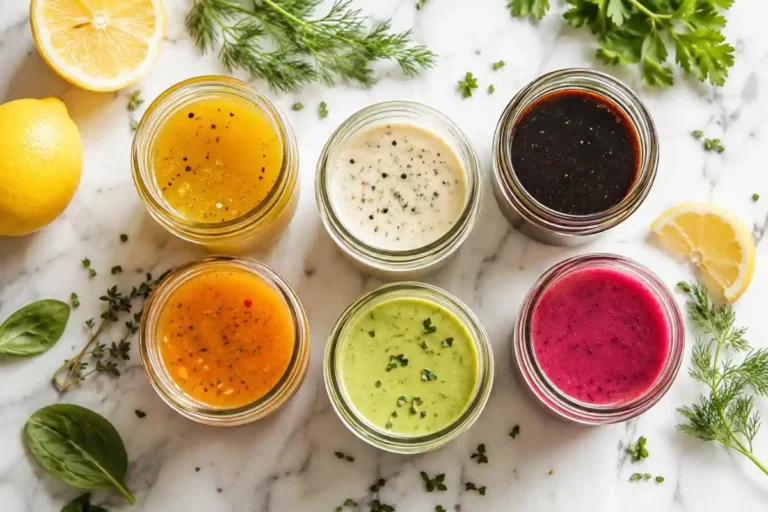
Lemon Garlic Vinaigrette Recipe – Bright, Bold & Done in 5 Minutes
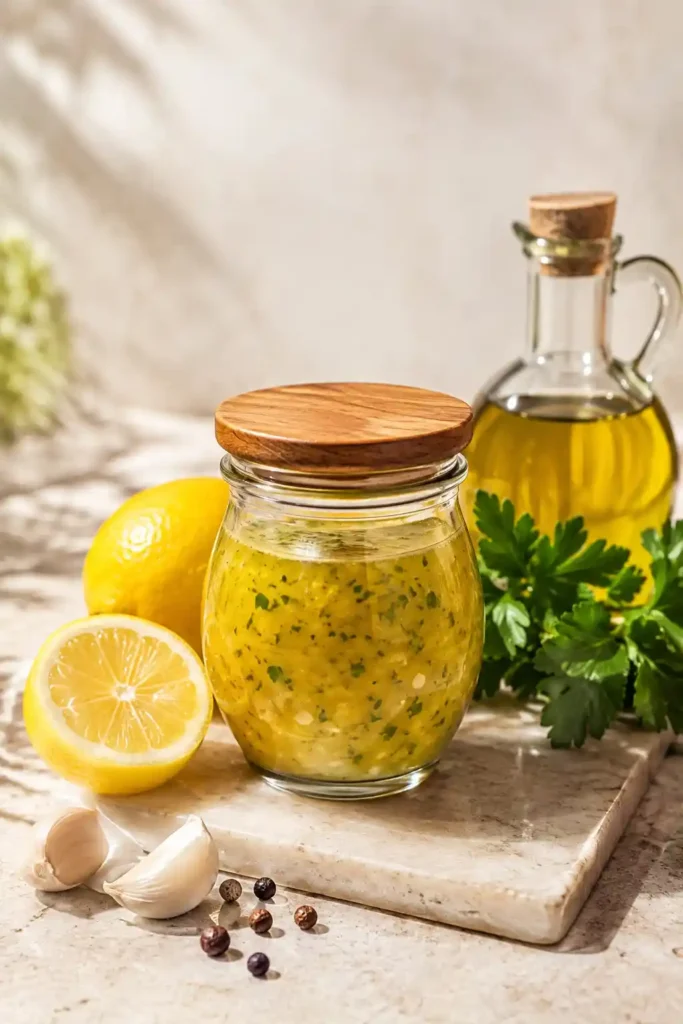
Some dressings just make everything better. This homemade lemon garlic dressing is one of those. I first made a version of this on a Tuesday night when I had half a lemon sitting on the counter, a sad salad that needed rescuing, and exactly zero patience to run to the store. Three ingredients and five minutes later, I had a jar of the most punchy, glossy, cling-to-every-leaf vinaigrette I had ever tasted.
My family now asks me to keep a jar in the fridge at all times. This recipe is sharper than your average lemon vinaigrette because the garlic does real work here – it is not just a hint, it is a full flavor partner with the lemon. Use it on salads, grain bowls, roasted vegetables, or as a marinade. Once you make it from scratch, bottled dressing will feel like a step backward.
Recipe Highlights
| Detail | Info |
| Prep Time | 5 minutes |
| Cook Time | None |
| Total Time | 5 minutes |
| Yield | About ½ cup (8 tablespoons) |
| Servings | 6–8 |
| Calories | ~90 per 1 tbsp serving |
| Difficulty | Very Easy |
| Cuisine | Mediterranean / American |
| Dietary | Vegan, Gluten-Free, Dairy-Free |
Why This Recipe Works
This garlic lemon salad dressing works because every ingredient earns its place:
- Real garlic, properly handled. Grating the garlic (instead of mincing) releases more allicin, giving you that sharp, throaty garlic flavor that actually stands up to the acid. Minced garlic can taste raw and chunky. Grated garlic melts right into the dressing.
- Dijon mustard as the secret weapon. The mustard acts as an emulsifier. It grabs onto both the oil and the lemon juice molecules and pulls them together into one glossy, cohesive dressing that coats leaves instead of pooling at the bottom of the bowl. Most basic lemon dressings skip this step – they separate within minutes.
- The right acid-to-oil ratio. The classic vinaigrette ratio is 1 part acid to 3 parts oil. This recipe uses a more lemon-forward 1:2 ratio, which gives it the bright pop that makes you want to eat the salad. If you prefer a milder dressing, you can nudge it toward 1:2.5.
- Lemon zest for depth. Most recipes use only the juice. Adding zest brings out the floral, aromatic oils from the skin and gives the dressing a more complex, full-lemon flavor.
- Ready in one bowl with zero special equipment. No blender needed. A bowl, a whisk (or even a fork), and a jar for storage.
Ingredient Ratios and Substitutions
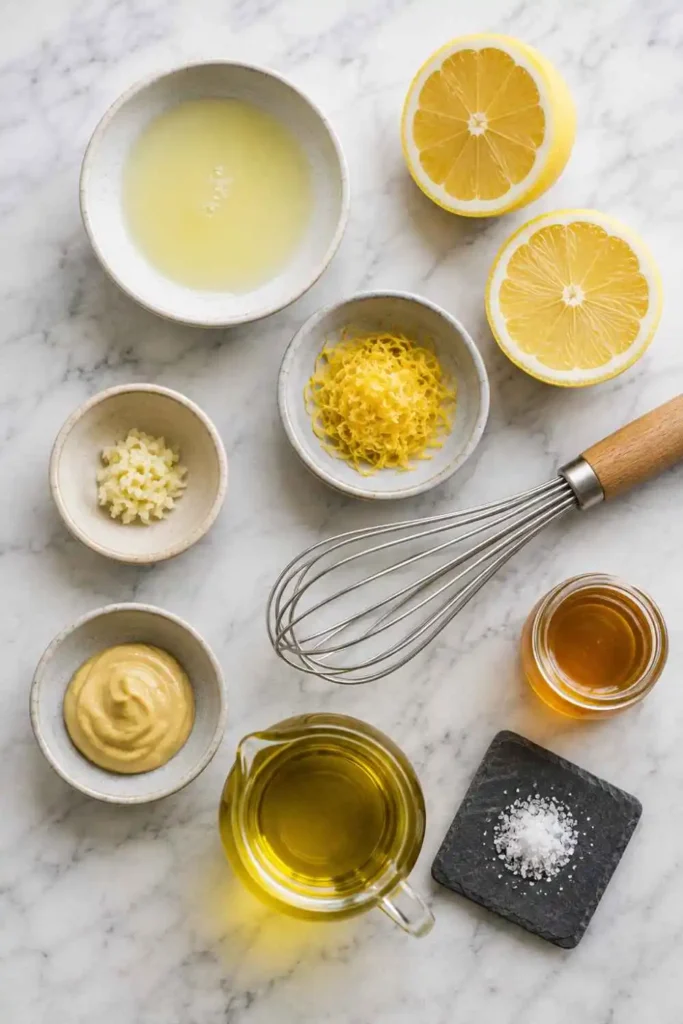
What You Need
- 3 tablespoons fresh lemon juice (about 1 large lemon) – Always fresh. Bottled lemon juice is flat and slightly cooked-tasting, and it will show up in a dressing this simple.
- 1 teaspoon lemon zest – Optional but highly recommended. Zest the lemon before squeezing it.
- 1 small garlic clove, finely grated – Use a microplane or the fine side of a box grater. Start with one clove. If you love garlic, add half a clove more after tasting.
- 1 teaspoon Dijon mustard – This is the emulsifier. Do not skip it. Whole grain mustard works as a swap if you want a little texture and visual interest.
- ½ teaspoon honey or maple syrup – Optional, but it balances the sharp garlic and bright acid beautifully. For a fully vegan dressing, use maple syrup.
- ½ teaspoon sea salt – Start here and adjust at the end.
- Freshly cracked black pepper – A few good cracks, to taste.
- 6 tablespoons extra-virgin olive oil – Use a good quality EVOO. This is a simple dressing, so the oil flavor matters.
Easy Substitutions
| Ingredient | Swap |
| Lemon juice | Half lemon + half white wine vinegar for a milder version |
| Dijon mustard | Whole grain mustard or a tiny pinch of dry mustard powder |
| Honey | Maple syrup (vegan) or agave nectar |
| Olive oil | Avocado oil for a more neutral flavor |
| Fresh garlic | ¼ teaspoon garlic powder if no fresh garlic is on hand |
Add-ins to try: ½ teaspoon dried oregano for a Mediterranean vibe, a pinch of red pepper flakes for heat, or 1 tablespoon finely chopped fresh parsley for color.
Step-by-Step Instructions
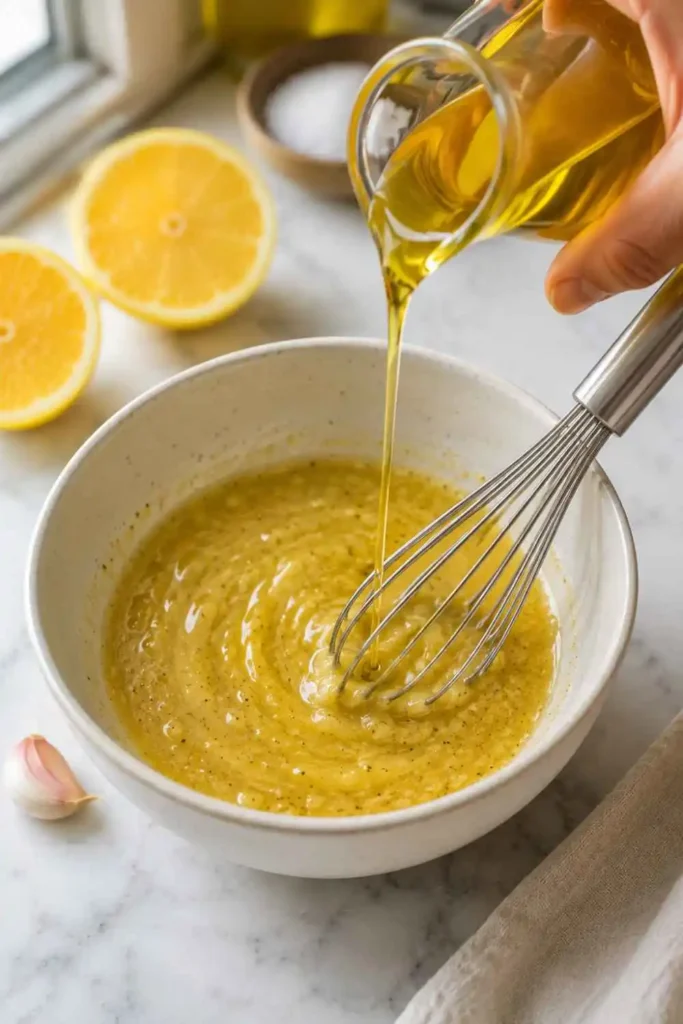
Step 1. Add the lemon juice, lemon zest, grated garlic, Dijon mustard, honey, salt, and pepper to a small bowl. Whisk everything together until the salt has dissolved and the ingredients look combined, about 30 seconds.
Step 2. While whisking continuously, drizzle in the olive oil in a slow, thin stream. The slower you pour, the better the emulsification. After about 60 seconds of whisking, the dressing should look creamy, slightly thickened, and glossy. If it still looks separated and oily, whisk for another 30 seconds.
Step 3. Taste the dressing on a piece of lettuce or a cucumber slice – not straight from the spoon, because it will always taste more intense undiluted. Adjust salt, pepper, or a tiny squeeze more lemon if needed.
Step 4. Transfer to a glass jar with a tight-fitting lid. Use immediately or refrigerate for up to 1 week. Give it a good shake or stir before each use.
Jar method: Skip the bowl entirely. Add all ingredients to a small mason jar, seal the lid, and shake vigorously for about 45 seconds. This works well but produces a slightly looser emulsion than whisking.
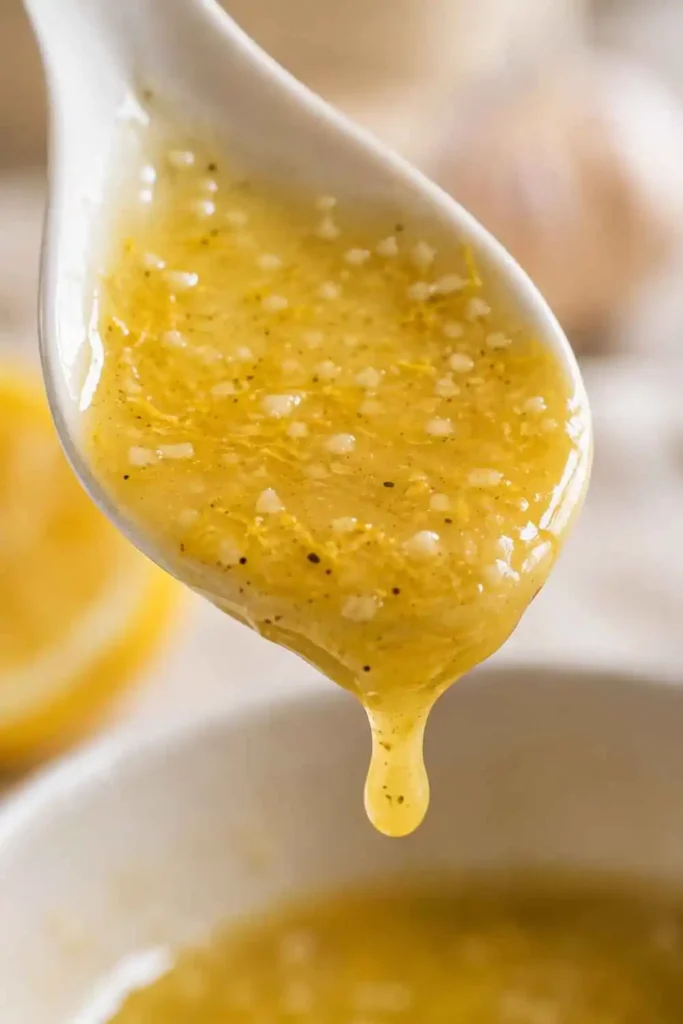
Consistency and Troubleshooting Guide
The dressing separated and looks oily: This is the most common issue. It happens when the oil is added too fast. To fix it: pour the broken dressing into a clean bowl. Start with a fresh teaspoon of Dijon mustard in the original bowl, then slowly whisk the broken dressing back in as if it were the oil. This almost always rescues it.
The dressing is too sharp or too lemony: Add another tablespoon of olive oil and a tiny pinch of sugar or a drop more honey. Whisk again and re-taste.
The dressing tastes flat and boring: You probably need more salt or more lemon zest. Add salt in very small increments – a pinch at a time. Zest cuts through oil better than extra juice.
The dressing solidified in the fridge: This is completely normal. Olive oil hardens when cold. Pull the jar out 10–15 minutes before you need it, or run the jar under warm water for 30 seconds, then shake.
Too thick: This can happen if you used very strong mustard or added too much. Whisk in a splash of water, one teaspoon at a time, until you reach the consistency you want.
How to Use and Pairing Guide
Direct Pairings
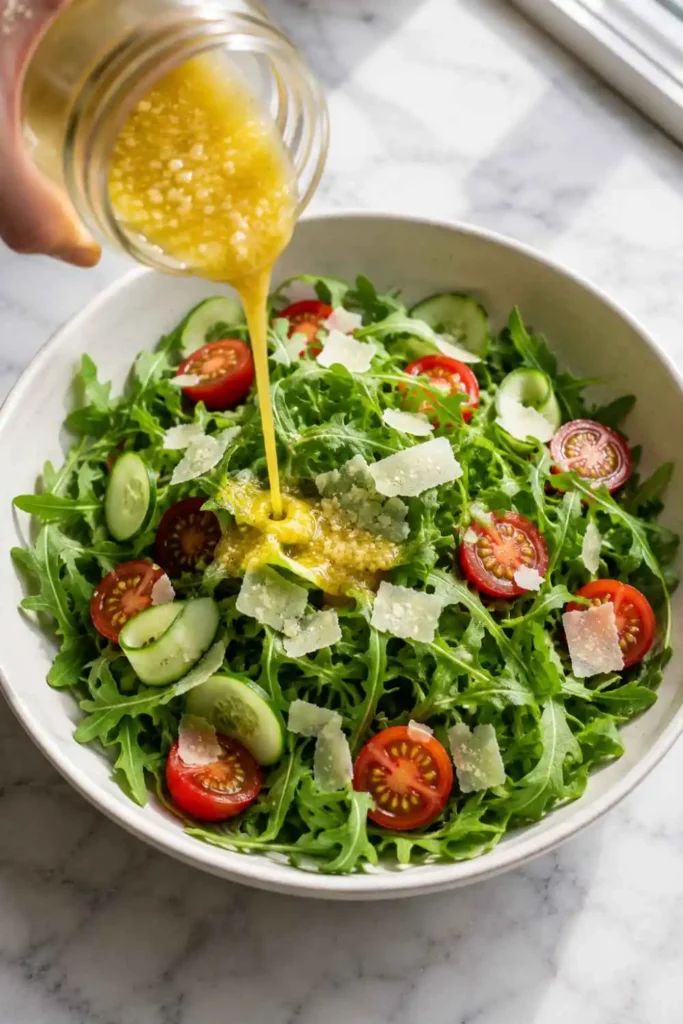
1. Simple Green Salad The classic pairing. Toss 2 tablespoons of the dressing with 4–5 cups of mixed greens, butter lettuce, or romaine just before serving. Dress at the last second so the leaves stay crisp. Top with shaved Parmesan and croutons for a restaurant-quality plate. For a more filling version, try the Blackberry Avocado Arugula Salad with Lime Dressing and swap the lime dressing with this vinaigrette for a citrusy twist.
2. Mediterranean-Inspired Grain Bowl Cook ½ cup of farro, freekeh, or quinoa according to package directions. While warm, toss with 2–3 tablespoons of this citrus garlic dressing, a handful of cherry tomatoes, cucumber, Kalamata olives, and crumbled feta. The grain absorbs the dressing while warm, which deepens the flavor. This combination pairs beautifully alongside dishes from the Mediterranean Diet Salad Bowl Recipes for Beginners.
3. Arugula and Shaved Fennel Salad Arugula and fennel love acid. Toss 3 cups of arugula, 1 thinly shaved fennel bulb, and a handful of toasted pine nuts with 2–3 tablespoons of dressing. Finish with lemon zest and flaky salt right before serving. This is a crowd favorite that takes under 10 minutes to assemble.
4. Chopped Mediterranean Salad Dice cucumber, tomatoes, red onion, and roasted red pepper. Add chickpeas for protein, then drizzle generously with the vinaigrette. Let the salad sit for 5 minutes before serving so the vegetables absorb the dressing. Find more ideas in 25 Best Chopped Salad Recipes (Easy, Fresh and Crowd-Pleasing).
5. Roasted Vegetable Sheet Pan Roast broccoli, asparagus, or zucchini at 425F until caramelized at the edges. Pull from the oven, drizzle with dressing immediately, and toss. The warmth of the vegetables helps them absorb the dressing fast. Adding roasted vegetables is especially good paired alongside a Roasted Sweet Potato Black Bean Salad.
Creative and Alternative Uses
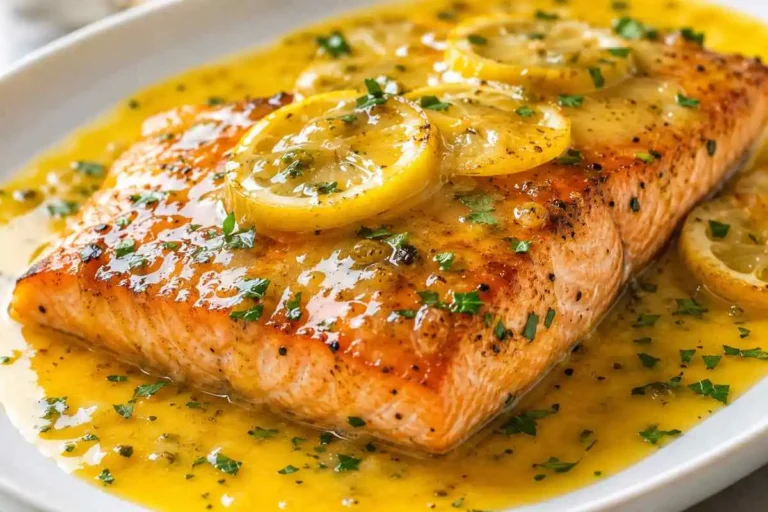
Chicken or Salmon Marinade: Pour 3–4 tablespoons of the vinaigrette over chicken thighs or salmon fillets. Marinate in the fridge for at least 30 minutes, up to 4 hours for chicken. Do not reuse marinade that has touched raw meat. The lemon acid tenderizes the protein and the garlic forms a light crust when grilled or pan-seared.
Pasta or Orzo Toss: Cook 1 cup of orzo pasta until al dente. Drain and immediately toss with 3 tablespoons of dressing while hot. Add sun-dried tomatoes, baby spinach, and toasted almonds. The pasta drinks up the dressing while warm and tastes bright and fresh cold the next day. Check out the Mediterranean Orzo Pasta Salad for a full recipe using a similar base.
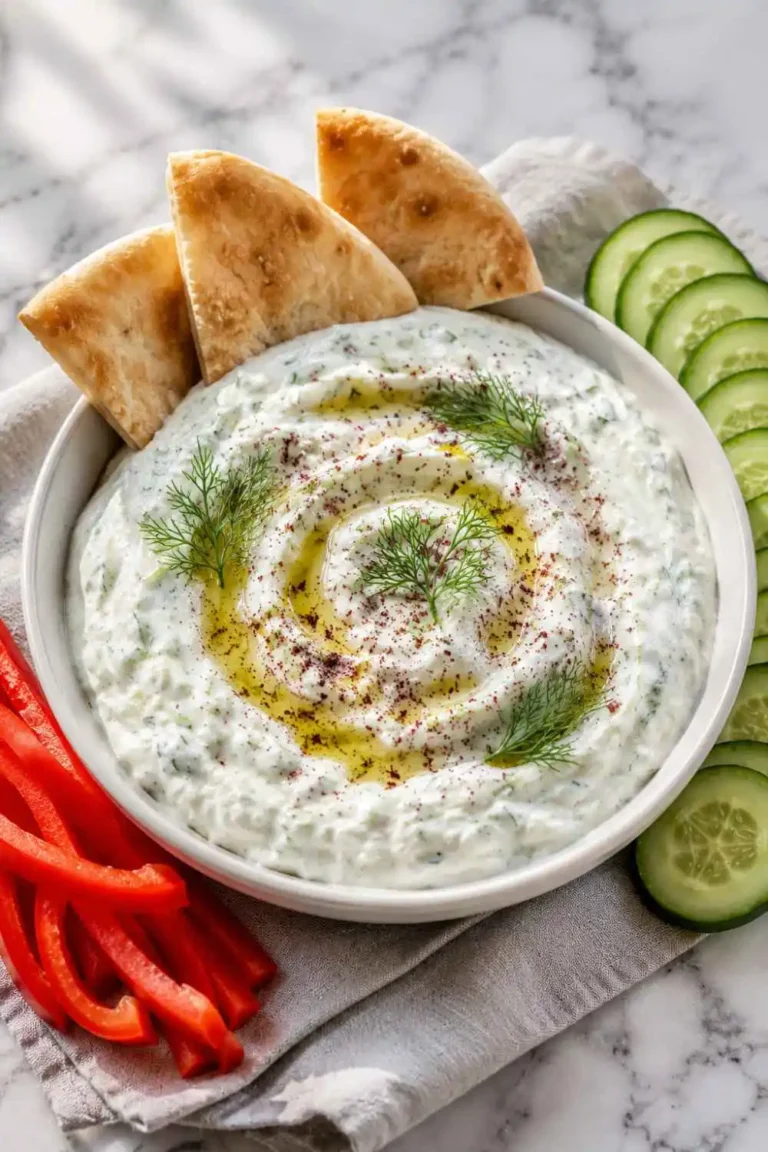
Drizzle Over Dips: Spoon a light drizzle over store-bought or homemade hummus before serving. The acidity cuts through the tahini richness and makes the hummus taste like it came from a restaurant. It also works beautifully drizzled over Tzatziki Sauce just before serving.
Step-by-Step Serving Instructions
Serve this dressing cold or at room temperature. It should never be heated. For salads, dress immediately before serving. For grain bowls and roasted vegetables, you can dress while warm. Always start with less dressing than you think you need – you can always add more, but overdressed salad is hard to fix. Drizzle in a circular motion over the bowl, then use tongs to lift and toss from the bottom up.
Garnishing and Presentation
To make any salad look intentional and restaurant-quality:
- Fresh herbs: Torn basil, chopped parsley, or a few sprigs of fresh thyme scattered on top.
- Lemon wheel: A thin slice of lemon placed on the rim of the bowl signals the dressing flavor instantly.
- Flaky sea salt: A pinch of Maldon salt right before serving adds texture and visual contrast.
- Good olive oil drizzle: A tiny extra drizzle of your best olive oil on top of the finished dish adds a glossy sheen that makes everything look more expensive.
Storage, Shelf Life and Remixing Notes
How to store: Transfer the finished dressing to a clean glass jar with a tight-fitting lid. A 4-ounce or 8-ounce mason jar works perfectly. Avoid plastic containers – they can absorb garlic odor over time.
Fridge shelf life: Up to 7 days. The garlic flavor intensifies over the first 24 hours, which many people actually prefer.
Freezer: Not recommended. Emulsified dressings do not freeze well – the oil and acid separate permanently once frozen and re-thawed.
Before each use: The olive oil will solidify at refrigerator temperature. This is normal. Take the jar out 10 minutes before you need it, then shake vigorously for 20–30 seconds. If the emulsion has broken, add a fresh half-teaspoon of Dijon mustard, pour the dressing over it, and whisk back together.
Make a double batch: The recipe scales perfectly. Make a full cup (double the amounts) on Sunday and use it all week as a quick dressing, grain bowl sauce, or vegetable finisher.
You May Also Like
- 20 Healthy Salad Dressing Recipes You Can Make at Home
- 7 Best Dipping Sauces Recipes (Easy and Homemade!)
- Best Lemon Caper Sauce Recipe (Ready in 10 Minutes!)
Frequently Asked Questions
Can I make this lemon garlic vinaigrette ahead of time?
Yes, and it often tastes better the next day. The garlic mellows slightly as it sits and the flavors come together more. Make it up to 3 days ahead and store in a sealed jar in the fridge.
My dressing always separates. What am I doing wrong?
The most likely cause is adding the olive oil too quickly. Pour it in a slow, thin, steady stream while whisking without stopping. The Dijon mustard also needs to be whisked in first before any oil touches the bowl.
Can I use a blender instead of whisking?
Absolutely. A small personal blender or immersion blender will give you an even more stable emulsion. The texture will be slightly creamier and it will hold together longer in the fridge.
How do I make this dressing without garlic?
Simply omit the garlic and add ¼ teaspoon of garlic powder instead for a milder background note, or leave it out entirely for a pure lemon vinaigrette. It is still delicious and works especially well on delicate butter lettuce.
Is this dressing vegan? It is if you use maple syrup instead of honey. Everything else – lemon, olive oil, Dijon, garlic – is already plant-based.
Can I use lime juice instead of lemon?
Yes. Lime gives you a sharper, slightly more tropical acid note. It works great on taco salads, black bean grain bowls, or anything with avocado. Swap in equal amounts.
How do I fix a dressing that is too thick?
Whisk in water, one teaspoon at a time, until you reach the consistency you want. This will thin it without adding any flavor. Alternatively, a splash of additional lemon juice thins it and brightens it at the same time.
Printable Recipe Card

Lemon Garlic Vinaigrette Recipe
Course: Dressing, SauceCuisine: Mediterranean, AmericanDifficulty: Easy6
servings5
minutes00
minutes90
kcal5
minutesThis lemon garlic vinaigrette recipe is fresh, bold, and ready in 5 minutes. The perfect homemade dressing for salads, grain bowls, roasted veggies, and more.
Ingredients
3 tablespoons fresh lemon juice (about 1 large lemon)
1 teaspoon lemon zest
1 small garlic clove, finely grated (about ¼ teaspoon)
1 teaspoon Dijon mustard
½ teaspoon honey or maple syrup (optional but recommended)
½ teaspoon fine sea salt, plus more to taste
Freshly cracked black pepper, to taste
6 tablespoons extra-virgin olive oil
Directions
- In a small bowl, whisk together the lemon juice, lemon zest, grated garlic, Dijon mustard, honey, salt, and pepper until fully combined and the salt has dissolved.
- While whisking continuously, add the olive oil in a slow, thin stream. Whisk for 60 seconds until the dressing looks glossy, slightly thick, and emulsified.
- Taste using a piece of lettuce or cucumber. Adjust with a pinch more salt, extra lemon juice, or a small drizzle more oil to balance.
- Transfer to a glass jar with a tight lid. Use immediately or refrigerate for up to 7 days. Shake well before each use.
Notes
- Oil solidifies in the fridge: This is normal. Let the jar sit at room temperature for 10 minutes before using, then shake.
Dressing separated: Add a fresh ½ teaspoon of Dijon to a clean bowl and whisk the broken dressing back in slowly to re-emulsify.
Want more garlic: Add half an extra clove. Taste after mixing before adding more – raw garlic intensifies as the dressing sits.
Vegan version: Use maple syrup in place of honey.
Storage: Refrigerate in a sealed glass jar for up to 7 days. Do not freeze. - Nutrient Amount
Calories 90 kcal | Fat 10g | Saturated Fat 1.5g | Carbohydrates 1g | Sugar 0.5g | Protein 0g | Sodium 95mg
Nutrition is estimated based on standard ingredient amounts. Actual values vary based on specific products used.
This homemade lemon garlic vinaigrette is the kind of recipe that sounds too simple to matter – until you taste it. I tested the garlic ratio three times to get that perfect sharpness that wakes up a salad without overpowering it, and the Dijon trick makes all the difference. Once you start making your own dressing, you will genuinely forget bottled versions exist.