
Tzatziki Sauce Recipe – Thick, Creamy & Easy
If you have ever dipped warm pita into a bowl of cold, garlicky tzatziki and immediately wanted to make it at home, this recipe is for you. This homemade tzatziki sauce is thick, creamy, and packed with fresh dill and cucumber — and it comes together in about ten minutes flat.
I tested this four times before landing on the ratio I love: enough garlic to actually taste it, enough lemon to keep things bright, and a cucumber prep method that keeps the sauce thick for days instead of turning watery by the second hour. My family puts this on everything now — grilled chicken, wraps, roasted vegetables, and honestly just crackers straight from the fridge.
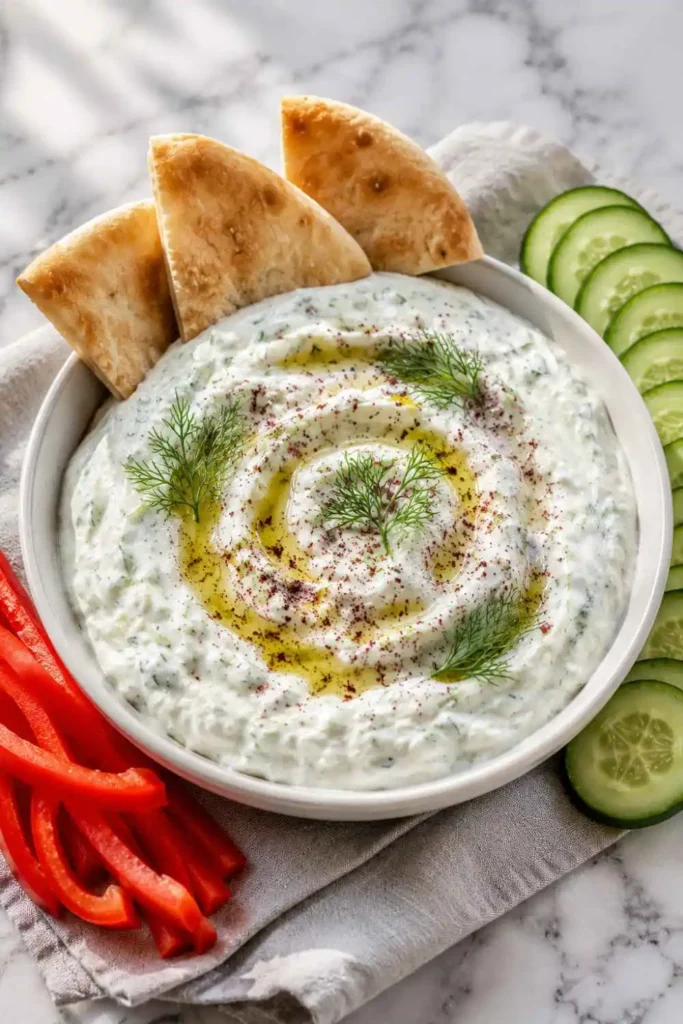
Recipe Highlights
| Prep Time | 10 minutes |
| Cook Time | 0 minutes |
| Total Time | 10 minutes (+ 30 min chill recommended) |
| Servings | 6 (yields approximately 1.5 cups) |
| Calories | ~55 per serving |
| Difficulty | Easy |
| Cuisine | Greek / Mediterranean |
| Course | Sauce, Dip, Condiment |
Why This Tzatziki Sauce Recipe Works
- Double-draining the cucumber is the game-changer. Salting the cucumber first, then squeezing, pulls out far more water than squeezing alone — so your sauce stays thick and creamy for up to 4 days.
- Full-fat Greek yogurt gives a rich, velvety base that low-fat versions simply cannot replicate. The higher fat content also prevents the sauce from turning grainy or sour as it sits.
- Grating the garlic instead of mincing distributes it evenly, so every spoonful has the same garlicky punch without any harsh raw chunks.
- Resting time matters. Even 30 minutes in the fridge lets the flavors settle and the garlic mellow. Tzatziki made the day before is always better than tzatziki made right before serving.
- Fresh herbs only — dried dill is a pale substitute. Fresh dill gives that bright, almost grassy note that makes homemade tzatziki taste like restaurant quality.
Tzatziki Sauce Ingredients and Substitutions
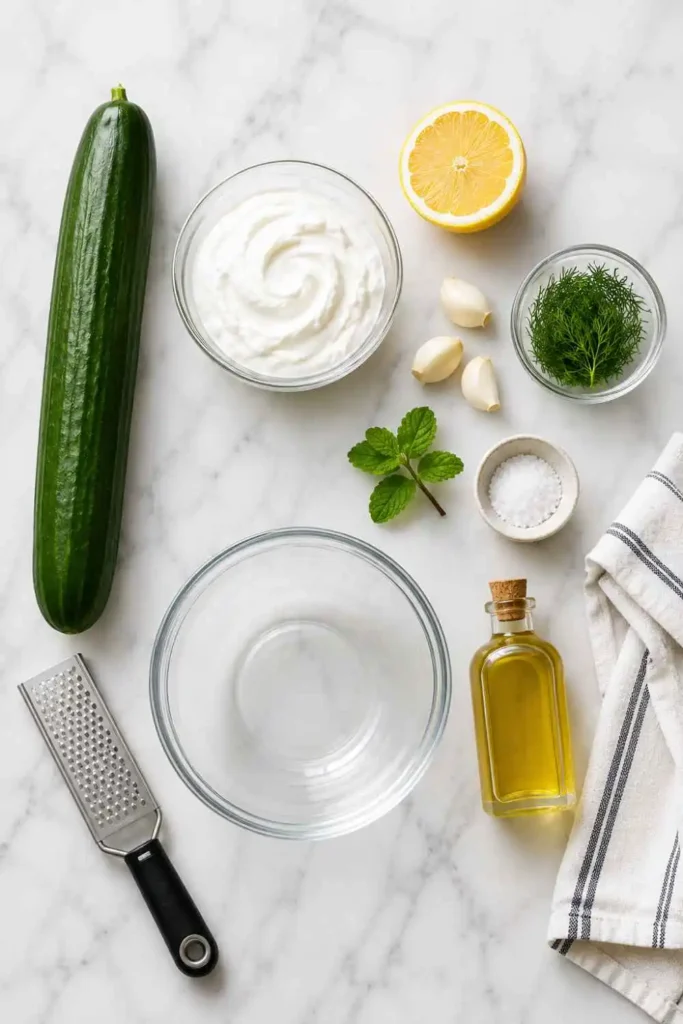
Greek Yogurt: Use full-fat, thick Greek yogurt — Fage, Chobani, or any strained variety works well. If yours seems thin, strain it through cheesecloth in the fridge for 30 minutes before using. For dairy-free tzatziki, use unsweetened coconut yogurt or a thick cashew-based yogurt. The flavor changes slightly but still works beautifully.
Cucumber: English cucumber (the long, seedless kind) has thinner skin and less water than a regular garden cucumber. No need to peel it — the skin adds color and flavor. If using a regular cucumber, peel it and scoop out the seeds before grating.
Garlic: One large clove is plenty for a balanced sauce. Use two if you love bold garlic flavor. Grate it on a microplane or the fine side of your box grater — this releases the juices fully and avoids harsh texture.
Fresh Dill: The classic choice. Fresh mint is a lovely addition (or swap) if you enjoy a slightly sweeter, cooler flavor. Some Greek versions use both.
Lemon Juice: Always fresh, never bottled. Bottled lemon juice has a slightly bitter aftertaste that throws off the balance.
Olive Oil: A small amount stirred in at the end adds richness and gives the sauce that glossy, restaurant-quality finish. Use a good extra-virgin olive oil — it is a condiment, so quality shows.
Salt: Kosher salt works best for seasoning. Remember that the cucumber will release some salt from the prep step, so taste before adding extra to the final sauce.
How to Make Tzatziki Sauce (Step-by-Step)
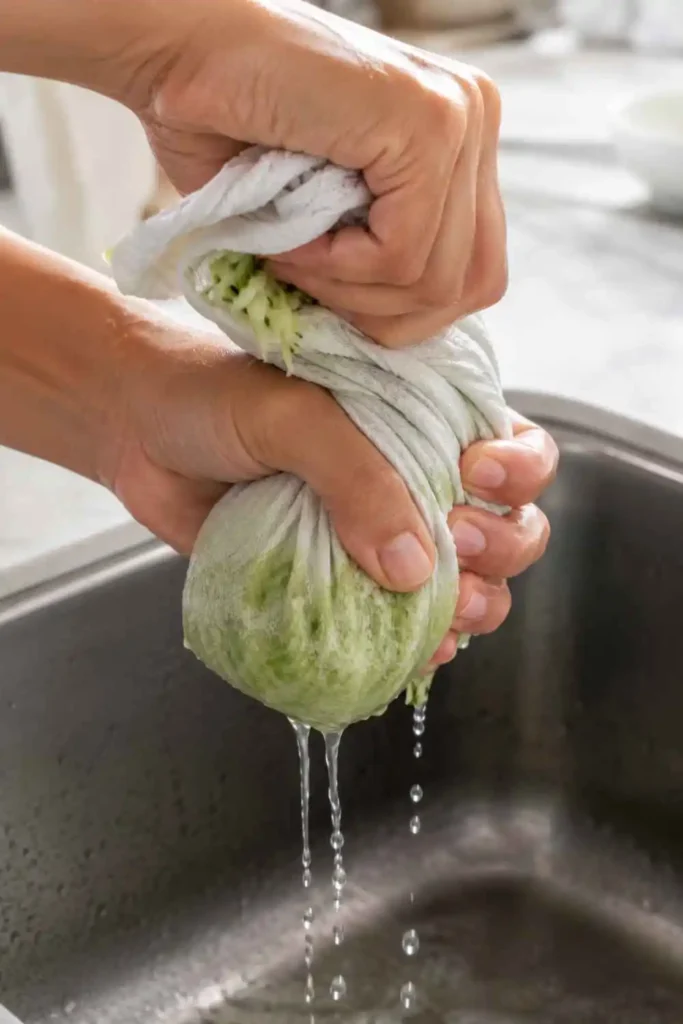
Step 1: Grate and salt the cucumber. Grate the cucumber on the large holes of a box grater straight into a colander or bowl. Sprinkle with ½ teaspoon kosher salt, toss to coat, and let it sit for 10 minutes. The salt draws moisture out efficiently without making the cucumber taste overly salty.
Step 2: Squeeze out the water — really squeeze. After 10 minutes, transfer the salted cucumber to a clean kitchen towel or several layers of paper towels. Gather the edges and twist firmly over the sink. You want to squeeze out as much liquid as possible — do this two or three times until almost no more water comes out. This single step is the difference between a thick, creamy tzatziki and a watery one that weeps into your pita.
Step 3: Combine the base ingredients. In a medium bowl, stir together the Greek yogurt, squeezed cucumber, fresh lemon juice, olive oil, and grated garlic until combined.
Step 4: Add the herbs and season. Fold in the fresh dill (and mint if using). Taste and add salt gradually — remember the cucumber already has some salt from Step 1. If it tastes flat, a tiny bit more lemon juice will perk it right up.
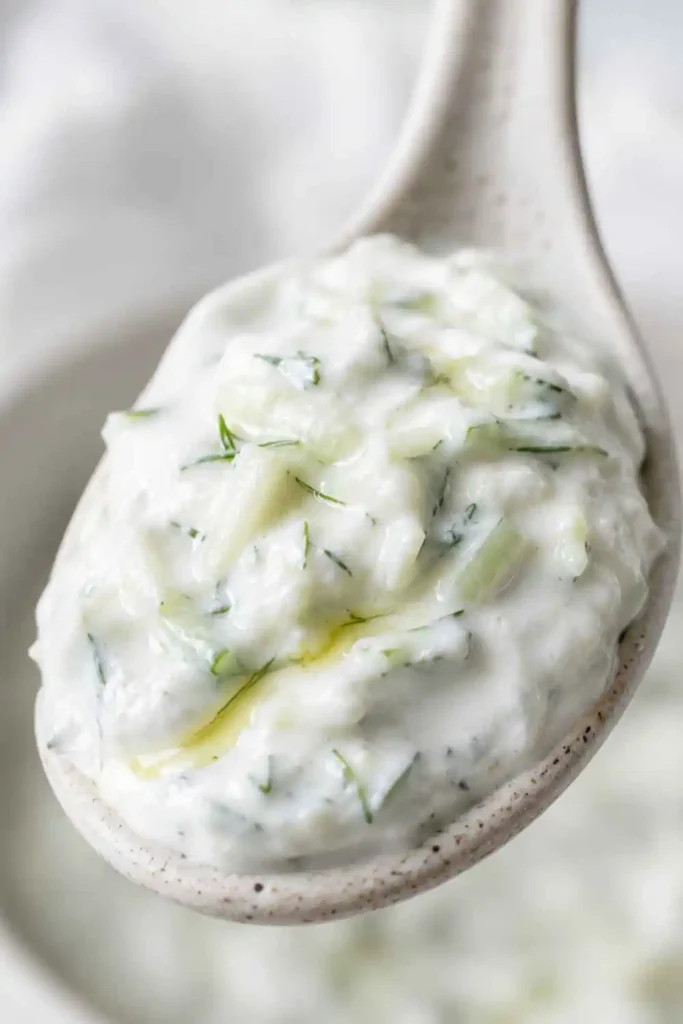
Step 5: Chill and serve. Cover and refrigerate for at least 30 minutes before serving. This resting period is not optional — it is where the magic happens. The garlic mellows, the flavors merge, and the texture firms up to that perfect, spoonable consistency.
Consistency and Troubleshooting Guide
Too watery? The cucumber was not squeezed enough, or the yogurt was low-fat. Strain the finished sauce through a cheesecloth-lined strainer for 20 minutes in the fridge. Next time, double-squeeze the cucumber.
Too thick? Stir in a teaspoon of cold water or a few extra drops of lemon juice until it loosens to your desired consistency.
Too salty? Add a spoonful more yogurt and a small squeeze of lemon to balance it out. This usually fixes it quickly.
Too sharp or garlicky? The garlic needed more time to mellow. Let the sauce rest an additional hour in the fridge — raw garlic softens considerably after 1–2 hours. Next time, reduce to half a clove or let the prepared sauce sit overnight.
Sauce separated in the fridge? This is normal after 2+ days. Simply stir it back together vigorously and it will come right back to its creamy texture.
How to Use Tzatziki Sauce: The Ultimate Pairing Guide
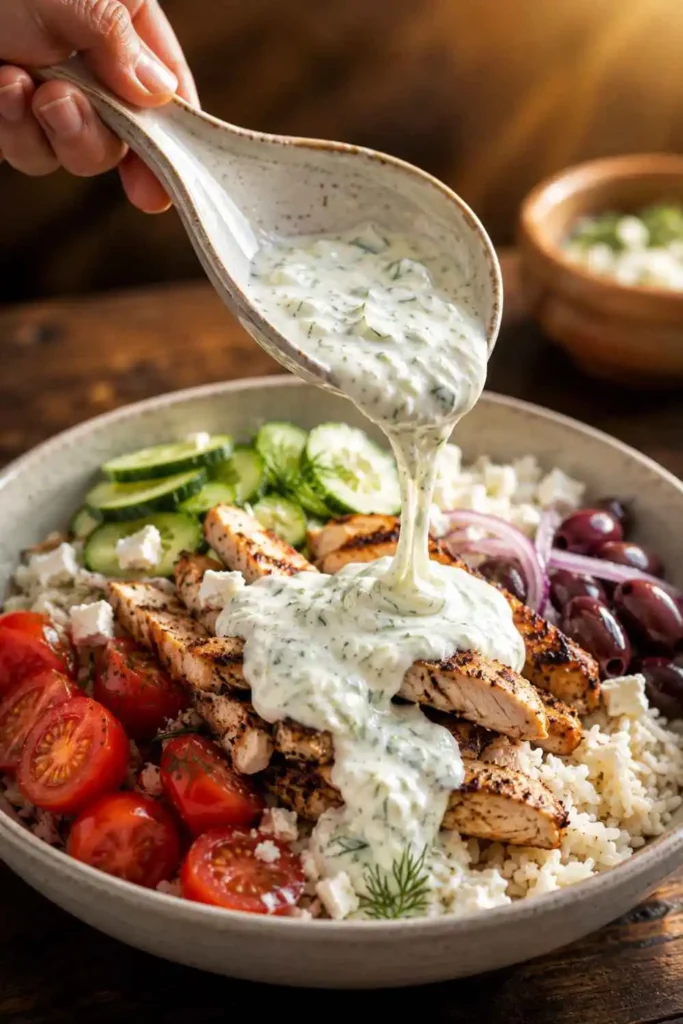
Classic Pairings
Gyros and Wraps: Spread a generous layer inside a warm pita before adding your protein and vegetables. Do not drizzle — spread it so every bite is coated. This is tzatziki’s most iconic role.
Greek Salad: Thin the tzatziki slightly with a teaspoon of cold water and use it as a creamy salad dressing in place of vinaigrette. It pairs especially well with romaine, cucumber, kalamata olives, and crumbled feta.
Grilled Chicken or Lamb: Serve as a cool sauce alongside hot grilled meat. The cold creaminess against the charred protein is exactly what a good Greek plate tastes like. Spoon it on top right before serving — do not cook it.
Falafel and Grain Bowls: Dollop generously over falafel, rice, or quinoa bowls. Add a drizzle of olive oil and a pinch of sumac on top for a restaurant-quality presentation.

Creative and Unexpected Uses
Veggie Dip Platter: Set a big bowl of tzatziki in the center of a platter with cucumber slices, bell pepper strips, baby carrots, and radishes. It outperforms hummus as a fresh, lighter dip alternative.
Cold Pasta Salad Sauce: Toss cooked, cooled pasta with tzatziki, cherry tomatoes, cucumber, and olives for an effortless Greek pasta salad. The yogurt base clings to the pasta beautifully.
Burger or Sandwich Spread: Use in place of mayo on grilled chicken burgers, fish burgers, or even a basic deli wrap. It adds a cool, herby bite that makes any sandwich feel a little more special.
Serving Temperature and Garnish
Serve tzatziki cold, straight from the fridge. It should never be warmed. For presentation, spoon it into a shallow bowl, make a gentle swirl with the back of a spoon, and drizzle with good olive oil. Top with a small sprig of fresh dill, a pinch of red pepper flakes or sumac, and a few thin cucumber slices fanned at the edge. This takes 30 seconds and makes it look like it came from a proper Mediterranean restaurant.
You May Also Like :
- 7 Best Dipping Sauces Recipes (Easy & Homemade!)
- Chimichurri Sauce Recipe – Bold, Herby & 10 Minutes
- Mediterranean Garbanzo Bean Salad – Fresh & Easy
Storage, Shelf Life, and Remixing
Fridge storage: Transfer to an airtight glass container or mason jar. Tzatziki keeps well for up to 4 days in the refrigerator. The flavor is honestly best on Day 2 after the garlic has had time to mellow.
Freeze it? Not recommended. Greek yogurt separates when frozen and becomes grainy and watery after thawing. The texture does not recover well.
After it sits: Some liquid pooling on the surface after a day or two is completely normal — this is whey separating from the yogurt. Just stir it back in vigorously with a spoon. It will come together instantly.
Make-ahead tip: You can prep the cucumber (grate, salt, squeeze, refrigerate) the night before. Store it in a small covered bowl and combine with the other ingredients the next day. This saves time and the overnight-salted cucumber is even drier, which means an even thicker sauce.
FAQ: Tzatziki Sauce Recipe
Can I make tzatziki without straining the cucumber?
You can, but the result will be noticeably thinner and will separate within an hour or two. Salting and squeezing the cucumber takes less than 15 minutes total and is genuinely the most important step in this recipe.
What kind of cucumber is best for tzatziki?
English cucumber (sometimes labeled “hothouse” or “seedless”) is ideal because it has fewer seeds and less water than a standard American cucumber. If using a regular cucumber, peel it and scoop out the seedy center before grating.
Can I make this dairy-free?
Yes. Use a thick, unsweetened plant-based yogurt — coconut yogurt or cashew yogurt both work. Avoid thin almond or soy yogurts, which will result in a runny sauce. The flavor will be slightly different but still very good.
How far in advance can I make tzatziki?
Up to 24 hours ahead is ideal. The sauce is actually better after it has rested overnight. Do not make it more than 4 days ahead.
Why does my tzatziki taste bitter?
This usually comes from too much lemon juice or low-quality olive oil. Use fresh lemon juice and add it gradually — start with one tablespoon and taste before adding more.
Can I use dried dill instead of fresh?
Fresh is strongly preferred, but if you must use dried, use only 1 teaspoon instead of 1 tablespoon. Add it early so it has time to rehydrate in the yogurt. The flavor will be earthier and less bright.
Is tzatziki sauce healthy?
Yes. It is low in calories (around 55 per serving), high in protein from the Greek yogurt, and contains no added sugar. The olive oil provides healthy monounsaturated fats, and the cucumber adds hydration and fiber.
Conclusion
Once you make homemade tzatziki, the store-bought version just does not compare. This recipe is fast, flexible, and genuinely one of those kitchen staples you will reach for all week long. Try it on gyros, spoon it over grain bowls, or just set it out with vegetables and pita the next time you have people over — it always disappears first.
If you make this Tzatziki Sauce Recipe, let us know in the comments how you used it!

Tzatziki Sauce Recipe – Thick, Creamy & Easy
Course: Sauces and DressingsCuisine: GreekDifficulty: Easy4
servings10
minutes30
minutes300
kcal40
minutesThick, creamy, and ready in 10 minutes — this homemade tzatziki sauce uses full-fat Greek yogurt, fresh cucumber, garlic, and dill. The double-drain cucumber method keeps it perfectly thick for days.
Ingredients
1 medium English cucumber (about 1 cup grated)
½ tsp kosher salt (for salting cucumber)
1½ cups full-fat Greek yogurt (strained/thick)
1 large garlic clove, grated on a microplane
1½ tbsp fresh lemon juice (about 1 lemon)
1 tbsp extra-virgin olive oil
2 tbsp fresh dill, chopped
1 tbsp fresh mint, chopped (optional)
¼ tsp kosher salt, plus more to taste
Pinch of black pepper
For serving (optional): drizzle of olive oil, fresh dill sprig, pinch of sumac or red pepper flakes
Directions
- Grate the cucumber on the large holes of a box grater. Place in a colander, toss with ½ tsp kosher salt, and let sit for 10 minutes.
- Transfer salted cucumber to a clean kitchen towel. Gather the edges and twist firmly over the sink, squeezing out as much liquid as possible. Repeat 2–3 times until almost no water remains.
- In a medium bowl, combine the squeezed cucumber, Greek yogurt, grated garlic, lemon juice, and olive oil. Stir until fully combined.
- Fold in the fresh dill and mint (if using). Season with ¼ tsp salt and a pinch of black pepper. Taste and adjust — add more lemon for brightness or more salt if needed.
- Cover and refrigerate for at least 30 minutes before serving.
- To serve, spoon into a shallow bowl, drizzle with olive oil, and garnish with fresh dill and a pinch of sumac.
Notes
- Dairy-free: Use thick unsweetened coconut yogurt or cashew yogurt in a 1:1 swap.
Regular cucumber: Peel it, halve it lengthwise, and scoop out seeds before grating.
Dried dill: Use 1 tsp dried dill if fresh is unavailable. Add at Step 3 so it rehydrates.
Make-ahead: Prep and squeeze cucumber the night before. Store separately in the fridge and combine the next day for an even thicker result.
Storage: Airtight glass jar in the fridge for up to 4 days. Stir if whey separates on top. Do not freeze. - Approximate Nutrition (per serving, 1/6 of recipe)
Calories ~55 kcal | Protein 5g | Fat 2.5g | Carbohydrates 4g | Fiber 0.3g | Sugar 2.5g | Sodium 130mg
Nutrition is approximate and will vary based on specific yogurt brand and portion size.